
Dental implants have become a preferred solution for individuals seeking a permanent and natural-feeling replacement for missing teeth. Unlike dentures or bridges, dental implants integrate directly into the jawbone, offering stability and functionality that closely mimics natural teeth. One common question many people have is how long dental implants last, and understanding the factors that influence their longevity can help patients make informed decisions about their oral health. Let's dive into Dental Implants Dubai.
Understanding Dental Implants
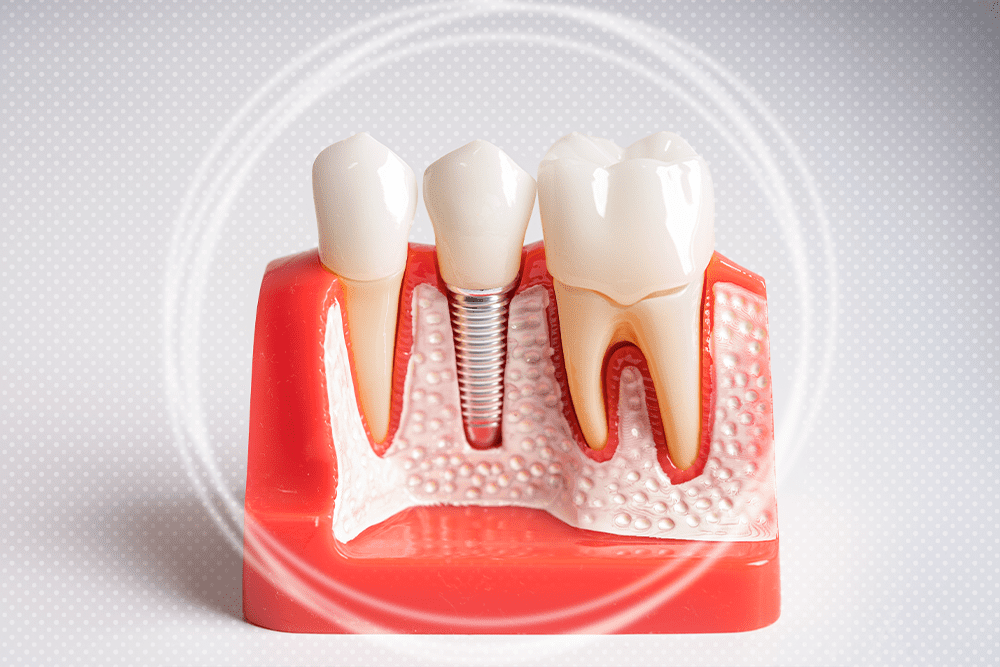
Dental implants consist of three main components: the implant itself, which is a titanium post inserted into the jawbone, the abutment that connects the post to the artificial tooth, and the crown, which is the visible part resembling a natural tooth. The implant fuses with the bone through a process called osseointegration, creating a durable foundation for the artificial tooth. This unique structure provides a long-lasting solution for tooth replacement and maintains facial structure, preventing the sunken appearance that often occurs with missing teeth.
Longevity of Dental Implants
Dental implants are designed to be a long-term solution, often lasting decades with proper care. Several factors contribute to their lifespan, including oral hygiene, lifestyle habits, and overall health. When maintained correctly, dental implants can last twenty years or more, with some patients enjoying a lifetime of functional and aesthetic benefits. Unlike traditional dentures, which may require frequent adjustments or replacements, dental implants offer remarkable stability and durability.
Factors Affecting the Lifespan of Dental Implants
Several key factors influence how long dental implants last. Oral hygiene is critical; regular brushing, flossing, and dental check-ups help prevent complications and ensure the surrounding gums and bone remain healthy. Lifestyle choices, such as smoking or excessive alcohol consumption, can negatively impact the healing process and longevity of the implants. Additionally, the quality and quantity of the jawbone play a vital role in supporting the implant. Patients with sufficient bone density experience better outcomes, while those with bone loss may require additional treatments to ensure implant stability.
Benefits of Dental Implants
Dental implants provide numerous advantages over other tooth replacement options. They restore full chewing ability, allowing patients to enjoy a varied diet without discomfort or limitations. Implants also preserve the jawbone, preventing bone resorption and maintaining facial structure. The aesthetic benefits are significant, as dental implants blend seamlessly with natural teeth, providing a confident smile. They do not rely on adjacent teeth for support, unlike bridges, which helps preserve the integrity of surrounding teeth.
The Dental Implant Process
The process of getting dental implants involves multiple steps, beginning with a comprehensive evaluation to assess bone density and oral health. After determining suitability, the titanium post is surgically placed into the jawbone. Over several months, the post integrates with the bone, creating a stable base for the artificial tooth. Once integration is complete, the abutment is attached, and the crown is placed, completing the restoration. The process may vary depending on individual circumstances, but the result is a natural-looking and functional tooth replacement.
Maintaining Dental Implants
Proper care is essential to ensure dental implants last as long as possible. Regular brushing and flossing, coupled with routine dental check-ups, help maintain healthy gums and bone structure. Avoiding excessive forces, such as grinding or clenching, protects the implant and surrounding tissues. Maintaining a balanced diet rich in nutrients supports overall oral health, contributing to the longevity of dental implants. Patients who prioritize oral hygiene and lifestyle habits tend to enjoy dental implants that perform like natural teeth for many years.
Comparing Dental Implants with Other Tooth Replacements
Dental implants differ from dentures and bridges in durability, comfort, and functionality. While dentures may shift or cause discomfort during chewing, dental implants remain stable and secure. Bridges, on the other hand, rely on neighboring teeth for support, which can compromise adjacent teeth over time. Implants offer a self-contained solution that integrates with the jawbone, providing both strength and aesthetics. For individuals seeking a long-term investment in oral health, dental implants are often the preferred choice due to their superior performance and longevity.
Frequently Asked Questions
How long does the healing process take?
The healing process varies by individual but generally takes a few months for the implant to fully integrate with the jawbone. Proper oral hygiene and care during this period are essential for successful osseointegration.
Can dental implants fail?
Although dental implants have a high success rate, factors such as poor oral hygiene, smoking, and insufficient bone density can increase the risk of failure. Routine check-ups and proper care minimize these risks.
Do dental implants require special care?
Dental implants require care similar to natural teeth. Regular brushing, flossing, and dental visits ensure that the gums and bone remain healthy, supporting long-term stability.
Are dental implants noticeable?
Dental implants are designed to look and feel like natural teeth. The crown is custom-made to match the color, shape, and size of surrounding teeth, making them virtually indistinguishable.
How Long Do Dental Implants Last in the Long Term
With proper maintenance, Cheapest Dental Implants in Dubai can last for decades and often provide a permanent solution for missing teeth. Factors such as oral hygiene, lifestyle habits, and bone quality significantly influence their longevity. Patients who follow recommended care routines often experience dental implants that function and feel like natural teeth for a lifetime, offering both aesthetic and practical benefits.
Conclusion
Dental implants provide a reliable and durable solution for individuals seeking to replace missing teeth. Their long lifespan, combined with the ability to restore natural function and appearance, makes them a highly desirable option. By understanding the factors that affect longevity and committing to proper oral care, patients can enjoy the benefits of dental implants for many years. The stability, comfort, and aesthetic appeal of dental implants make them an investment in lasting oral health and confidence.